

Last Updated: July 28, 2026
Contents Overview
Your Identity Shapes Your Reality - The Real Reason Why You Can't Change
Have you ever wondered why you can’t change, even when you genuinely want to?
Maybe you’ve told yourself, “This time I’ll stick with it.” You start a new habit, stay consistent for a few days, and then slowly fall back into your old routine. After a while, you’re left wondering why this keeps happening.
Most people think they need more motivation or more discipline. But that usually isn’t the real problem.
The biggest reason why you can’t change is that your actions are still being guided by the identity you’ve believed about yourself for years.
Let me show you what I mean.
Imagine I were to offer you crack cocaine right now.
Would you take it?
Hopefully, your answer would be no.
But why wouldn’t you take it?
Because it isn’t part of who you are.
You don’t see yourself as someone who does drugs. That thought doesn’t match the way you see yourself, so saying no doesn’t feel difficult.
Now think about how powerful that is.
Your identity protects you in some parts of your life, but it can also hold you back in others.
For example, if you keep telling yourself:
❌ “I’m not consistent.”
❌ “I always mess things up.”
❌ “Something bad always happens to me.”
❌ “Things never work out for me.”
After hearing these thoughts over and over again, they begin to feel like the truth. You stop questioning them and start living according to them.
That is one of the biggest reasons why you can’t change. As long as you keep seeing yourself through these old labels, you’ll continue making choices that match them.
Your identity shapes your actions, and your actions shape your life.
7 Reasons Why You Can't Change
If you’ve been wondering why you can’t change despite your best efforts, the answer usually isn’t a lack of motivation or willpower. More often, it’s a few hidden patterns that quietly keep you stuck. Once you recognize them, it becomes much easier to break free and create lasting change.
Reason 1: You Are Still Attached to Old Labels Like “I’m Not Consistent”
If you’ve been trying to improve your life but keep ending up back where you started, your identity could be what’s holding you back.
Many of us don’t realize how often we label ourselves.
You might say things like:
❌ “I’m not consistent.”
❌ “I’m not confident.”
❌ “I’m always late.”
❌ “I never finish what I start.”
At first, these may seem like harmless observations. But the more you repeat them, the more your mind accepts them as part of who you are.
This is one of the biggest reasons why you can’t change.
Think about it this way. If you truly believe you’re an inconsistent person, then staying consistent will always feel like you’re forcing yourself to become someone you’re not. Even if you manage to stick with a new habit for a few days, your mind will naturally try to pull you back to what feels familiar.
I know this because I’ve experienced it myself.
For a long time, I was the queen of self-sabotage. I would get excited about making changes, put in the effort for a while, and then slowly slip back into my old habits. Every time I tried to move forward, there was a voice in my head asking,
🛑 “Do you really need to do this?”
That voice always wanted me to stay where I felt comfortable, even though I wasn’t happy there.
Over time, I realized that I wasn’t struggling because I lacked motivation. I was struggling because I was still carrying an old identity that no longer matched the life I wanted to create.
The encouraging part is that your identity is not fixed.
Every habit you repeat becomes evidence of the kind of person you believe you are. In the same way, every small action you take today can help build a new identity. You don’t have to change everything overnight. You simply have to stop feeding the labels that are keeping you stuck and start giving your mind a new story to believe.
In fact, research shows that lasting behavior change is more likely to happen when you focus on building small, consistent habits instead of relying on motivation alone. The National Institute on Aging explains how repeating healthy behaviors over time helps them become lasting habits.
So instead of saying,
❌ “I’m not disciplined.”
Try asking yourself,
“What would a disciplined person choose to do right now?”
That simple question shifts your focus from who you’ve been to who you’re becoming. Small changes like this may not seem like much at first, but they slowly reshape the way you see yourself. Once your identity begins to change, your actions become much easier to change too.
Reason 2: The Gremlins in Your Mind Are Winning
Even after you decide to change, another challenge often shows up. It’s the little voice in your head that constantly fills you with doubt.
I like to call these thoughts the gremlins.
They don’t shout. They quietly whisper things like:
🛑 “You’re not good enough.”
🛑 “You always fail.”
🛑 “This won’t work for you.”
🛑 “What’s the point of trying again?”
The more you listen to these thoughts, the more convincing they become. After a while, you stop questioning them and begin treating them like the truth.
If you’ve ever wondered why you can’t change, pay attention to the way you speak to yourself. The real battle isn’t what’s happening around you. It’s the conversation you’re having with yourself every single day.
The tricky part is that these thoughts often sound like your own voice. They feel familiar, so you assume they must be true. But just because you’ve thought something for years doesn’t mean it’s a fact.
Think of someone learning to ride a bicycle. If they keep telling themselves, “I’m going to fall every time,” they’ll become so focused on failing that they’ll never give themselves a real chance to improve. The same thing happens in everyday life. When you expect failure, you start looking for proof that you’re right instead of noticing how far you’ve already come.
I’ve learned that you don’t have to believe every thought that enters your mind. Thoughts come and go, but you get to decide which ones deserve your attention.
Whenever those gremlins start talking, don’t argue with them. Simply notice what they’re saying and choose a different response.
For example, if your mind says,
🛑 “You’ll never be consistent.”
You can gently remind yourself,
✅ “I’m learning to become more consistent every day.”
That small shift may not feel powerful in the moment, but repeated often enough, it begins to change the story your mind believes.
Mindfulness has helped me more than anything else. Instead of letting negative thoughts take over, I learned to notice them without reacting to them. Once you become aware of your inner dialogue, it becomes much easier to replace fear with a more supportive and empowering mindset.
Reason 3: Your Brain Is Wired for Safety, Not Success
Have you ever noticed how easy it is to keep doing what you’ve always done, even when you know it isn’t helping you?
That’s because your brain isn’t trying to keep you successful. It’s trying to keep you safe.
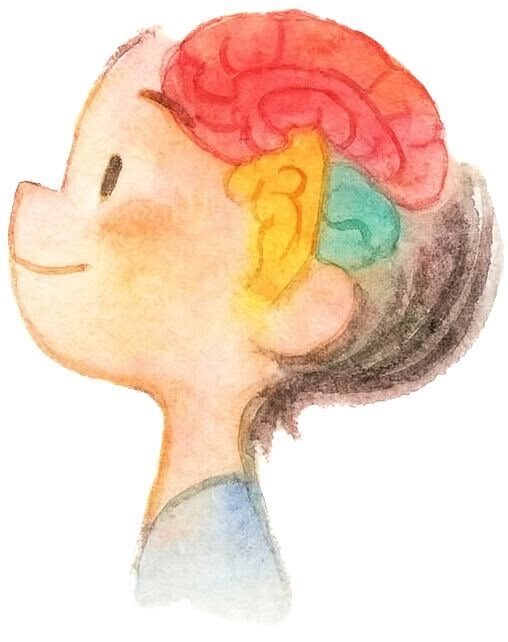
Your brain sees familiar routines as predictable, even if they leave you feeling unhappy or stuck. Whether you’ve been following the same habits for 5, 10, or even 30 years, your brain has built strong neural pathways around them. The more often you repeat a thought or behavior, the stronger those pathways become.
This is one of the reasons change feels uncomfortable in the beginning. Your brain isn’t telling you to stop because you’re incapable of changing. It’s simply trying to protect you from something that feels unfamiliar.
If you’ve been asking yourself why you can’t change, remember that your discomfort doesn’t mean you’re doing something wrong. In many cases, it means you’re stepping outside the patterns your brain has grown used to.
Think about learning to drive for the first time. At first, every little task takes effort. You have to think about the mirrors, the pedals, the steering wheel, and the traffic around you. It feels overwhelming because your brain is creating new pathways. After enough practice, everything starts to feel natural. You drive without having to think about every single step.
The same thing happens with your habits.
At first, waking up earlier, exercising, meditating, or speaking kindly to yourself may feel strange because they don’t match what your brain is used to. But each time you repeat those actions, you’re teaching your brain that this new way of living is safe too.
That is why repetition matters so much. Every time you choose the new habit instead of the old one, you’re strengthening a new pathway while slowly weakening the old one.
This ability of the brain to adapt and form new neural connections is called neuroplasticity. It shows that your brain isn’t fixed—it continues to change as you learn and repeat new experiences. If you’d like to learn more about how neuroplasticity works, the American Psychological Association offers a simple explanation here:
https://dictionary.apa.org/neural-plasticity
So each day, ask yourself:
⭐ Am I choosing fear or love?
⭐ Am I holding on to my old identity or creating a new one?
⭐ Am I choosing comfort, or am I choosing growth?
The answers may seem small, but they shape the person you become one decision at a time.
Reason 4: You Break Promises to Yourself Daily
Every promise you make to yourself matters, no matter how small it seems.
When you tell yourself you’ll do something and then follow through, you build trust with yourself. But when you repeatedly break those promises, your mind slowly starts believing that your words don’t mean much.
This isn’t about being perfect. It’s about being someone who does what they said they would do.
Think about it this way. If a friend kept making promises and never kept them, it would be hard to trust them after a while. The same thing happens with the relationship you have with yourself.
If you say you’ll spend 15 minutes doing mirror work, then do 15 minutes—not 5 and not 10.
If you say you’ll go to the gym, then go.
If you decide to sleep by 11 p.m., finish your work and be in bed by 11.
If you want to journal every day, open your journal and write, even if it’s only a few lines.
These actions may seem ordinary, but they send a powerful message to your mind: I keep my word.
Many people wonder why you can’t change even though they have good intentions. One reason is that they rely on motivation instead of commitment. Motivation comes and goes, but commitment is what helps you show up on the days you don’t feel like it.
Of course, there will be days when life gets busy or things don’t go as planned. Missing one day doesn’t mean you’ve failed. What matters is that you don’t let one missed day become a missed week or a missed month. Simply pick yourself up and continue where you left off.
Every time you follow through on a promise, you’re proving to yourself that you’re capable of change. Those small wins begin to replace your old identity with a new one.
Over time, your mind stops expecting you to quit and starts expecting you to follow through.
That’s when real transformation begins.
Reason 5: You Are Carrying Generational Patterns
Sometimes, the reason why you can’t change has very little to do with your present life. It can also come from the beliefs and patterns you’ve been surrounded by since childhood.
Think about the environment you grew up in.
Did you often hear things like:
🛑 “Money doesn’t grow on trees.”
🛑 “Life is always a struggle.”
🛑 “People like us never get ahead.”
🛑 “You have to settle for whatever you get.”
When we hear the same messages over and over again, especially as children, we naturally begin to accept them as the truth. We don’t question them because they’re all we’ve ever known.
As we grow older, these beliefs quietly influence the choices we make. They affect how we see ourselves, how much we believe we deserve, and what we think is possible for our lives.
This is another reason why you can’t change as easily as you’d like. Even when you consciously want something different, those old beliefs can continue running in the background without you realizing it.
The good news is that these patterns don’t have to define your future.
You can respect where you came from while choosing a different path for yourself.
To me, personal growth is also about breaking generational patterns. It’s about becoming the person who changes the story instead of repeating it.
If that means:
✅ Doing one thing every day to rewire your brain, then do it.
✅ Meditating for five minutes before bed, then do it.
✅ Listening to loop affirmations every single day, then commit to it.
✅ Jumping in fully instead of just testing the waters, then go all in.
Do it because you’re creating a new future, not just for yourself but for everyone who comes after you.
Remember, change doesn’t always happen in one big moment. Sometimes, it happens through the small choices you make every single day.
Each healthy habit, each positive thought, and each promise you keep becomes another step away from the patterns that no longer serve you.
That’s how lasting change begins. One conscious decision at a time.

Reason 6: You Are Not Ready for What You Are Manifesting
Imagine this for a moment.
What if I told you your soulmate was going to knock on your door tomorrow?
Or that the money you’ve been waiting for was about to land in your bank account?
Or that tomorrow, you’d be handed the keys to your dream home?
How would you feel?
Would you welcome those blessings with confidence and gratitude?
Or would you find yourself…
🛑 Hesitating?
🛑 Wondering if it’s too good to be true?
🛑 Looking for something that could go wrong?
🛑 Feeling like you don’t deserve it?
Many people spend years asking for a better life, yet they never stop to ask themselves if they’re truly prepared to receive it.
If you’ve been wondering why you can’t change, this could be one of the biggest reasons. You may be trying to create a new life while still thinking, feeling, and reacting like the old version of yourself.
I’ve been there too, so I understand exactly how that feels.
For a long time, I believed I had to wait for my circumstances to improve before I could finally feel confident, peaceful, or worthy. Then I realized I had it backwards.
You don’t become worthy after your life changes. Your life begins to change when you start believing you’re already worthy.
Think about someone who constantly says they want a healthy relationship but secretly believes they’ll always be abandoned. Even if they meet the right person, they’ll struggle to trust them because their old beliefs are still running the show.
The same thing happens with money, success, opportunities, and even happiness. If your mind isn’t ready to receive them, you’ll often push them away without realizing it.
This is another answer to why you can’t change. Real change isn’t just about changing your habits. It’s also about changing the way you see yourself. Until your self-worth grows, your old identity will keep trying to pull you back to what’s familiar.
So ask yourself one simple question:
If everything I’ve been praying or manifesting arrived tomorrow, would I truly believe I deserve it?
If the answer is no, don’t judge yourself.
Instead, see it as an invitation to grow.
No one else dictates your reality. You are the one creating it through your thoughts, beliefs, and daily choices. The more responsibility you take for your inner world, the more your outer world begins to reflect it.
Once you start believing you’re worthy of love, peace, abundance, and success, you’ll notice yourself making different decisions. Those decisions slowly become new habits, and those habits become your new identity.
That is often the missing piece why you can’t change. You’re waiting for life to convince you that you’re worthy, when the real transformation begins the moment you decide it for yourself.
Reason 7: Your Environment Is Reinforcing Your Old Story
The people around you have a bigger influence on your life than you may realize.
Think about the conversations you hear every day.
Do the people around you often say things like:
🛑 “Money is hard to make.”
🛑 “Life is unfair.”
🛑 “Nothing ever works out.”
🛑 “I’m always broke.”
When you hear the same negative messages day after day, it’s easy to start believing them, even if you don’t want to. Those words slowly become part of your own inner dialogue, shaping the way you think, feel, and make decisions.
If you’ve been wondering why you can’t change, take a closer look at the environment you’re spending time in. Sometimes, it’s not a lack of motivation that’s keeping you stuck. It’s the constant exposure to people and conversations that reinforce the same old beliefs you’re trying to leave behind.
That’s why it’s so important to protect your mindset.
Words are powerful. The stories you hear repeatedly can influence the story you tell yourself.
When someone around you says something negative, you don’t have to accept it as the truth. Instead, pause for a moment and choose a different perspective.
For example, if someone says,
🛑 “Money is impossible to make.”
You can quietly remind yourself,
✅ “There are opportunities to earn money every single day.”
Or if someone says,
🛑 “Life is unfair.”
You can choose a healthier belief, such as,
✅ “Every challenge is helping me grow into a stronger person.”
If you can’t change the people around you, don’t let their mindset become your mindset.
Fill your environment with things that support the person you’re becoming. Read books that inspire you, listen to uplifting podcasts, practice affirmations, spend time in nature, or surround yourself with people who encourage your growth instead of feeding your fears.
Your environment won’t change your life overnight, but it can either support your growth or keep you stuck in old patterns.
The good news is that once you understand what’s been holding you back, you can start making small, intentional changes that help you become the person you want to be. That’s exactly what we’ll look at next.

How To Fix It And Finally Change - 5 Tools That Work
Now that you understand why you can’t change, it’s time to focus on what you can do differently.
The good news is that you don’t need to change your entire life overnight. Lasting change happens through small, consistent actions that slowly become part of who you are. That’s exactly what happened to me.
For years, I struggled with self-sabotage. I would get excited about changing my life, stay consistent for a few days, and then fall back into my old habits. It wasn’t because I didn’t want to change. I simply didn’t have the right approach.
Over time, I found a few simple practices that completely changed the way I looked at growth. They weren’t complicated, but they worked because I stayed committed to them. I hope they help you as much as they helped me.
1. Take Small Actions Every Single Day
I used to struggle with consistency. It was easy to let an entire day pass without doing anything that truly moved me closer to my goals. Staying in my comfort zone felt familiar, but I also knew I wasn’t growing into the person I wanted to become.
When I finally decided to change, I made a promise to myself that I would show up every day, even if my progress felt small.
To make that easier, I created a routine that kept me accountable.
🎯 I kept a checklist on my phone to track my daily tasks.
🎯 I planned even the smallest things the night before so I always knew what to do the next day.
🎯 I showed up every single day, even when I wasn’t feeling motivated.
🎯 Whenever negative thoughts appeared, I practiced mindfulness and gently redirected my attention instead of letting those thoughts take over.
At first, it honestly felt strange. I wasn’t used to being that disciplined, so it almost felt like I was becoming a different person. Looking back, I realize that uncomfortable feeling wasn’t a sign that something was wrong. It was a sign that I was growing.
If you’re trying to build better habits, don’t pressure yourself to change everything at once. Start with one small action today. Then repeat it tomorrow. Those little steps may seem insignificant, but they slowly build confidence, consistency, and trust in yourself.
2. Choose Commitment Over Motivation
One of the biggest lessons I’ve learned is that motivation doesn’t last.
Some days you’ll feel inspired, while other days you’ll want to do anything except the habit you’re trying to build. That’s completely normal.
For a long time, I waited until I “felt like it” before taking action. Most of the time, that feeling never came.
Everything changed when I stopped asking myself, “Am I motivated today?” and started asking, “What did I promise myself I would do today?”
That one question helped me stay consistent far more than motivation ever did.
If you’ve been wondering why you can’t change, ask yourself whether you’re depending on motivation to carry you through. Motivation is temporary, but commitment helps you keep going long after the excitement fades.
Even if all you can manage today is one small step, take it. Progress isn’t about doing everything perfectly. It’s about showing yourself that you’re someone who follows through.
3. Take Care of Your Mind and Body
As I became more consistent, I realized something else.
It wasn’t just my habits that needed attention. My mind and body needed care too.
The more I looked after myself, the easier it became to stay focused and make better decisions.
A few simple habits made the biggest difference:
✅ Practice mindfulness every day. Over time, it becomes less of an exercise and more of a way of living.
✅ Get 6 to 8 hours of quality sleep every night. Sleep is when your body and mind recover, so try to avoid screens before bed. Even a short 3 to 5-minute meditation can help you relax before sleeping.
✅ Don’t wait until life feels overwhelming before making a change. The sooner you begin taking care of yourself, the easier it becomes to prevent stress from building up.
You don’t have to master all of these habits at once. Pick one that feels manageable and build from there. Small improvements made consistently often lead to the biggest transformations.
4. Use Tools That Support Your Growth
Another thing that helped me was realizing I didn’t have to figure everything out on my own.
Sometimes we all need tools that make the journey a little easier.
These are some of the practices that have helped me the most:
✅ Breathwork whenever I felt overwhelmed.
✅ Inner child healing to work through deep-rooted fears.
✅ Rampage affirmations to quickly shift my mindset.
✅ Loop affirmations to reinforce positive beliefs throughout the day.
✅ Nighttime affirmations before sleep.
✅ Mirror work to build self-love and confidence.
These techniques aren’t meant to replace taking action. They work best when you use them alongside the daily habits you’re already building.
If one method doesn’t resonate with you, that’s okay. Keep exploring until you find the practices that genuinely help you stay grounded and focused.
5. Keep Going, Even on the Hard Days
One of the biggest mistakes I made was believing that missing one day meant I had failed.
It took me a while to realize that lasting change isn’t about being perfect. It’s about getting back up every time you stumble.
There will be days when you don’t feel like doing the work. There will be days when life gets busy or things don’t go according to plan. That’s part of the journey.
What matters most is that you don’t stop.
If you’ve ever found yourself asking why you can’t change, remember that real transformation doesn’t happen because of one perfect day. It happens because you keep choosing yourself, again and again, even when progress feels slow.
Every time you show up, you’re proving to yourself that you’re becoming someone who doesn’t give up.
The tools are already available to you. The only thing left is to start using them consistently.
You don’t need to be perfect to change your life.
You just need to keep taking the next small step.
One day, you’ll look back and realize that those small steps became the biggest transformation of all.

Final Truth: Change is About Commitment, Not Motivation
If you’ve made it this far, I hope you now have a better understanding of why you can’t change and, more importantly, what you can do about it.
Change isn’t something that happens overnight, and it certainly doesn’t happen because you’re motivated every single day. It happens because you keep choosing yourself, even on the days when it feels easier to give up.
There will be times when progress feels slow. You might miss a habit, fall back into an old pattern, or wonder if all your effort is making a difference. That’s completely normal. It doesn’t mean you’ve failed. It simply means you’re human.
What matters is that you don’t let one difficult day convince you to stop altogether.
Every small promise you keep, every positive thought you choose, and every healthy habit you repeat is helping you become a stronger version of yourself. Those little actions may not seem life-changing today, but over time, they become the foundation of a completely different life.
Be patient with yourself.
Growth isn’t about becoming a different person overnight. It’s about becoming a little better than you were yesterday.
One day, you’ll look back and realize that the life you once dreamed about wasn’t built through one big moment. It was built through hundreds of small choices that you made, one day at a time.
So don’t wait for the perfect time to begin.
Start where you are.
Use what you have.
Take the next small step.
Your future self will be grateful that you did.
Frequently Asked Questions
1. Why can’t I change even when I really want to?
Wanting to change is only the first step. Many people stay stuck because they’re still holding on to old beliefs, habits, and identities. Lasting change happens when your daily actions begin to match the person you want to become.
2. Why is changing habits so difficult?
Your brain is designed to keep you safe by repeating familiar patterns. That’s why new habits can feel uncomfortable at first. The more you repeat a new behavior, the more natural it becomes over time.
3. How long does it take to change your mindset?
There’s no fixed timeline because everyone is different. Some changes happen quickly, while deeper beliefs may take weeks or months to shift. The key is to stay consistent and keep practicing new ways of thinking.
4. What is the first step to changing your life?
The first step is becoming aware of the beliefs and habits that are keeping you stuck. Once you recognize them, you can begin replacing them with small, positive actions that support the life you want to create.
5. Can anyone change, or are some people just born that way?
Yes, anyone can change. While your past experiences shape the way you think and behave, they don’t have to define your future. With consistent effort, self-awareness, and patience, it’s possible to build new habits, develop healthier beliefs, and become the person you want to be.

