

Last Updated: 24 July, 2026
Contents Overview
What is your breath telling you? A quick check before we start
Have you ever noticed how your breath changes when you’re stressed? It’s often one of the first signs that something feels off, even before you fully realize you’re feeling anxious or overwhelmed. That’s why learning simple breathing techniques can make such a big difference in how you feel.
Maybe your breathing becomes shallow and quick, or perhaps you hold your breath without even realizing it. These small changes happen automatically, but they also affect how your mind and body respond to stress.
What if I told you that understanding and controlling your breath could be one of the most powerful tools for managing your emotions? The best part is that you already have this tool with you every moment of the day.
In this guide, we’ll explore the science behind how your breath influences your brain and emotional state. You’ll also learn easy breathing techniques that can help you feel calmer, think more clearly, and regain control during stressful moments.
The Science of Breathing: How Your breath controls your mind
Your breath does much more than keep you alive. Every breath you take sends signals to your brain that influence how you think, feel, and respond to different situations. This is why breathing techniques are so effective. By changing the way you breathe, you can naturally change the way your mind and body react to stress.
Our autonomic nervous system has two main branches:
- The sympathetic nervous system, also known as the “fight or flight” response.
- The parasympathetic nervous system, also known as the “rest and digest” response.
These two systems work like your body’s gas pedal and brake, helping you respond to different situations. At the center of this process is the vagus nerve, which acts as a communication pathway between your brain and body.
When you practice slow, controlled breathing techniques, you send calming signals through the vagus nerve. This helps regulate stress hormones like cortisol while increasing GABA, a neurotransmitter that promotes relaxation and a sense of calm. That’s why deep breathing can often help you feel more relaxed, think more clearly, and regain control within just a few moments.
How breathing techniques rewire your brain: The neuroscience of calm
Your breath is much more than an automatic body function. It is the foundation of life and has a powerful effect on both your brain and body. The way you breathe can influence your thoughts, emotions, stress levels, and even how well you focus throughout the day.
As we discussed above, slow, deep breathing techniques activate the parasympathetic nervous system, which helps your body relax, lowers stress, and brings your emotions back into balance. On the other hand, shallow or rapid breathing can activate the body’s stress response, making you feel more anxious, tense, or overwhelmed.
Practicing controlled breathing techniques, such as deep belly breathing or box breathing, helps regulate stress hormones, improve oxygen flow to the brain, and sharpen your focus. When these techniques are combined with mindfulness, they create a powerful practice that can improve both your mental and physical well-being.
By consciously changing the way you breathe, you can calm your nervous system, think more clearly, and become more emotionally resilient over time. Your brain gradually learns to respond to stressful situations with greater ease instead of automatically going into survival mode.
Regular breathwork offers many long-term benefits. It helps manage everyday stress, supports overall well-being, improves heart rate variability, stabilizes mood, and increases self-awareness. Simply put, the way you breathe has a lasting impact on your mental and physical health, making breathing techniques one of the simplest yet most effective tools for creating a calmer, healthier life.
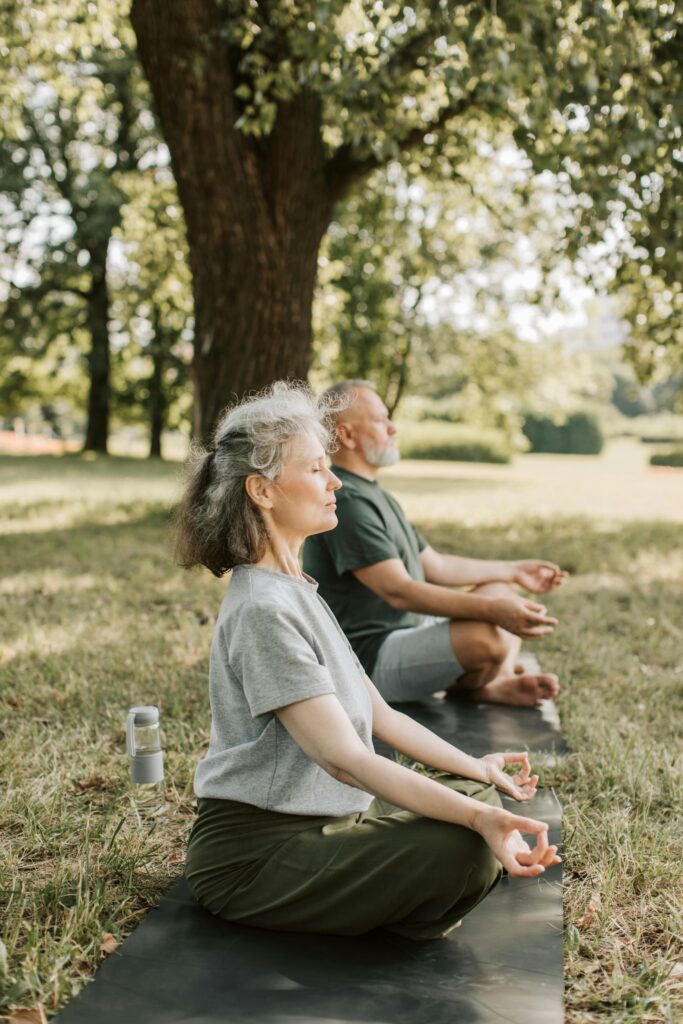
4 science-backed Benefits Of Controlled Breathing techniques
Practicing breathing techniques is about much more than simply taking deep breaths. Research shows that controlled breathing can positively affect your brain, nervous system, and overall well-being. Here are four science-backed benefits that explain why it is such a powerful daily habit.
💭 Emotion Regulation: Slow, deep breathing helps stabilize carbon dioxide levels, reduces activity in the amygdala (your brain’s stress alarm), and calms your emotions. This makes it easier to stay balanced and respond to life’s challenges with greater ease.
💭 Better Cognitive Function: Proper breathing increases oxygen flow to the prefrontal cortex, the part of the brain responsible for thinking, decision-making, and focus. As a result, you can think more clearly and concentrate better.
💭 Greater Body Awareness: Focused breathwork improves interoception, which is your ability to notice and understand what’s happening inside your body. This helps you stay grounded in the present moment instead of getting carried away by stress or worry.
💭 A Natural Stress Reset: Deep diaphragmatic breathing helps your body clear cortisol, the primary stress hormone, more efficiently. It also supports a healthier heart rate variability, a sign of a well-regulated nervous system that can recover from stress more effectively. These benefits show why making breathing techniques a regular part of your routine can have a lasting impact on both your mental health and physical health.
3 Effective Breathing Techniques backed by neuroscience
There are many breathing techniques available today, but you don’t need to learn them all to experience their benefits. Sometimes, a few simple practices done consistently are enough to calm your mind, reduce stress, and help you feel more balanced.
Over the years, I’ve tried different methods, and these are the three that have worked best for me. They’re easy to learn, don’t require any special equipment, and can be practiced almost anywhere.
💨 Box Breathing Technique for Instant Focus
If your mind feels scattered or you’re struggling to concentrate, box breathing is a great place to start. It is a simple yet powerful technique that helps calm the nervous system, reduce stress, and improve focus within minutes.
Here’s how to do it:
- Inhale for 4 counts.
- Hold your breath for 4 counts.
- Exhale for 4 counts.
- Hold again for 4 counts.
Repeat this cycle for a few minutes.
This steady breathing pattern activates your parasympathetic nervous system, also known as the “rest and digest” response. It may also support healthy lymphatic drainage. As your breathing becomes slower and more even, your mind naturally becomes calmer and more focused. Harvard Health also explains that slow, controlled breathing can help relax your body, reduce tension, and improve your overall sense of well-being. That’s why box breathing is widely used by athletes, military personnel, and anyone who wants to stay calm under pressure.
💨 4-7-8 Breathing Technique to Beat Stress and Sleep Better
If stress keeps your mind racing or makes it difficult to fall asleep, the 4-7-8 technique is worth trying. It slows your breathing and encourages your body to relax naturally.
Here’s how it works:
- Inhale for 4 seconds.
- Hold your breath for 7 seconds.
- Exhale slowly for 8 seconds.
The longer exhale is what makes this technique so effective. It activates your body’s relaxation response, slows your heart rate, and signals to your brain that it’s safe to relax. With regular practice, it can reduce anxiety, ease stress, and help you enjoy deeper, more restful sleep. Cleveland Clinic also explains that the 4-7-8 breathing method can help relax your body, reduce stress, and make it easier to fall asleep.
💨 Resonance Breathing Technique for Emotional Balance
Also known as coherent breathing, resonance breathing helps bring your breath and heart rate into a steady rhythm. This creates a sense of calm while improving emotional balance and helping your body recover from stress more effectively.
To practice it:
- Inhale gently through your nose for 5 seconds.
- Exhale through your nose for 5 seconds.
- Continue this slow rhythm at about six breaths per minute.
Practicing this technique for just a few minutes each day can improve emotional resilience, increase self-awareness, and leave you feeling calmer throughout the day.
These are the breathing techniques I return to again and again because they’re simple, practical, and backed by science. You don’t have to master them overnight. Start with the one that feels most comfortable, practice it consistently, and let your breath do the rest.
How to Use These Breathing Techniques: The 2-minute daily rule
You don’t need to spend hours practicing to notice a difference. Just two minutes a day is enough to start building the habit. The key with breathing techniques is consistency, not perfection. Here are the best times to use each one:
💭 Use box breathing when you need to stay calm under pressure, such as before a presentation, an important meeting, or during a stressful situation. It helps clear your mind, improve focus, and keep your emotions in check.
💭 Try 4-7-8 breathing when anxiety starts to build or your mind won’t slow down. It quickly relaxes the nervous system and is especially helpful before bedtime to prepare your body for a restful night’s sleep.
💭 Practice resonance breathing during your morning routine or while transitioning between activities. It provides a gentle stress reset, supports emotional balance, and helps you stay calm and grounded throughout the day.

4 Common Mistakes to Avoid with breathing techniques
Like any healthy habit, breathing techniques work best when they’re practiced the right way. Avoid these common mistakes to get the most out of every session:
💨 Don’t force your breath. Aim for slow, gentle, and controlled breathing instead of straining or trying too hard. Your breath should feel natural and comfortable.
💨 Don’t expect instant perfection. Breathwork is a skill that improves with practice. Be patient with yourself and keep showing up consistently.
💨 Don’t wait until you’re extremely stressed to practice. Start when you’re already feeling calm so your body becomes familiar with the techniques. If possible, make breathwork part of your daily routine.
💨 Don’t stop after just a minute. Give yourself at least a few minutes to practice so your mind and body have enough time to relax and experience the full benefits.
Your breath is one of the most powerful tools you have, and it’s with you every moment of the day. By practicing these simple breathing techniques, you can calm your mind, manage stress, and gently shift your emotional state in just a few minutes. Since our entire existence depends on our breath, it’s worth taking the time to experiment with these methods and discover which ones work best for you.
Please note: If you have any medical condition that affects your breathing, consult your doctor before trying these techniques.
For now, take a slow, deep breath. Exhale all the negativity, then inhale peace, positivity, and calm. And if you really want to make the moment even better, do it with a smile.
FAQs about breathing techniques for stress and focus
1. Which breathing technique is best for anxiety and stress?
For instant anxiety relief, 4-7-8 breathing is one of the best options. Inhale for 4 seconds, hold for 7 seconds, and exhale for 8 seconds. This pattern activates the vagus nerve and helps lower cortisol in under 60 seconds. Box breathing is a better choice when you need to improve focus.
2. How long does it take for breathing techniques to work?
Most breathing techniques start working within 45-90 seconds. Research shows that taking just 5-6 slow breaths at about 5 breaths per minute can increase heart rate variability (HRV) and calm the amygdala. For long-term benefits, practice for 2-5 minutes every day.
3. Can breathing techniques improve focus and sleep?
Yes. Box breathing improves focus by balancing oxygen and carbon dioxide levels, helping your prefrontal cortex work better. The 4-7-8 technique improves sleep by activating the parasympathetic nervous system. Resonance breathing supports both by improving heart rate variability (HRV).
4. How many times a day should you do breathing techniques?
Start by practicing twice a day for about 2 minutes, once in the morning and once before bed. As you get more comfortable, you can also use these methods whenever you feel stressed. Research suggests that 3-4 short sessions of about 5 minutes are more effective than one long 20-minute session.
5. What happens in your brain when you do breathing techniques?
When you slow your breath using breathing techniques, you stimulate the vagus nerve. This tells your brain to reduce activity in the amygdala (the fear center) while increasing activity in the prefrontal cortex (the focus center). It also improves heart rate variability (HRV), which is an important sign of calmness and emotional balance.


2 thoughts on “Breathing Techniques: 3 Neuroscience Hacks For Deep Focus”